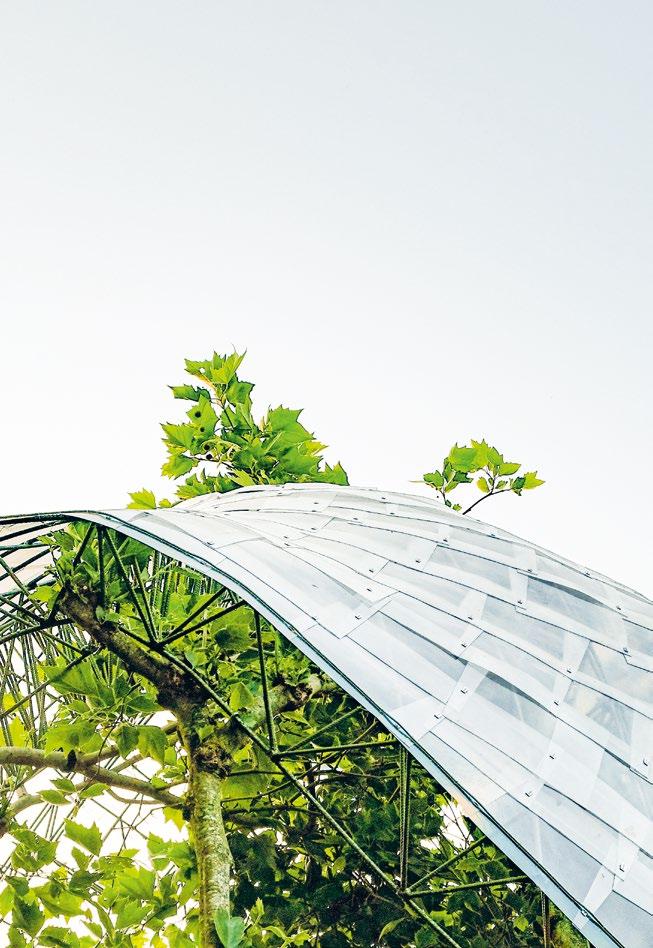
What if a building could feel alive, changing with light, breathing with weather, offering a completely different experience with each visit? This research explores how architecture can move from being a fixed object to becoming a living system.
I asked an AI tool to show me the Guggenheim Museum across four seasons. The results were striking, the building stayed exactly the same while everything around it transformed. That gap between the static building and the dynamic world it sits in became the central question of this research. Can buildings also transform like nature?
The Theoretical Foundation: The research draws on four key thinkers:
D'Arcy Thompson : On Growth and Form (1917) showed that natural forms are shaped by physical forces: gravity, pressure, time. Form is not a finished object but the result of growth and transformation over time. For architecture, this suggests buildings can be understood as evolving systems rather than static compositions.
Christopher Alexander : Notes on the Synthesis of Form (1964) introduced the idea of fit, good design as a balance between form and context. Architecture should resolve the tensions between its environment and its users rather than impose form upon them. This aligns directly with the idea of buildings that respond and adapt.
Neri Oxman : Material Ecology (2016) proposed that materials can be designed to behave like living organisms. Rather than treating nature as a resource, she positions it as an active collaborator. Architecture becomes not a static object but a process of continuous transformation.
Achim Menges : Material Computation (2012) explored how computational and parametric tools can simulate natural growth in architecture. Computation becomes a design partner, allowing architecture to evolve from natural logic rather than fixed form.

Architecture, like nature, is not meant to be fixed or final. Transformation is not an exception but a continuous process shaped by time, climate, and material behaviour. This research shifted my view of design, from creating static forms to designing systems that can evolve.
It also changed how I understand the role of the architect. The architect is no longer only a form-maker but becomes a system designer, setting conditions for transformation rather than finalising outcomes. Design becomes less about control and more about enabling relationships between materials, climate, and users.
And perhaps most importantly: living buildings create a stronger emotional and sensory connection between people and architecture. A façade that shifts with sunlight, a surface that ages visibly, a space that reacts to climate, these encourage users to become more aware of time, nature, and their surroundings. Architecture becomes something that is felt, not just seen.
What I explored:
Natural systems as a design framework, growth, adaptation, decay, regeneration · Responsive and smart materials as active design agents · Parametric and computational design tools — Rhino, Grasshopper, Ladybug, Honeybee · The gap between digital design systems and real material behaviour · Architecture as emotional and sensory experience · The shifting role of the architect from form-maker to system designer
Want to read the full research paper? You can find it here → [link]



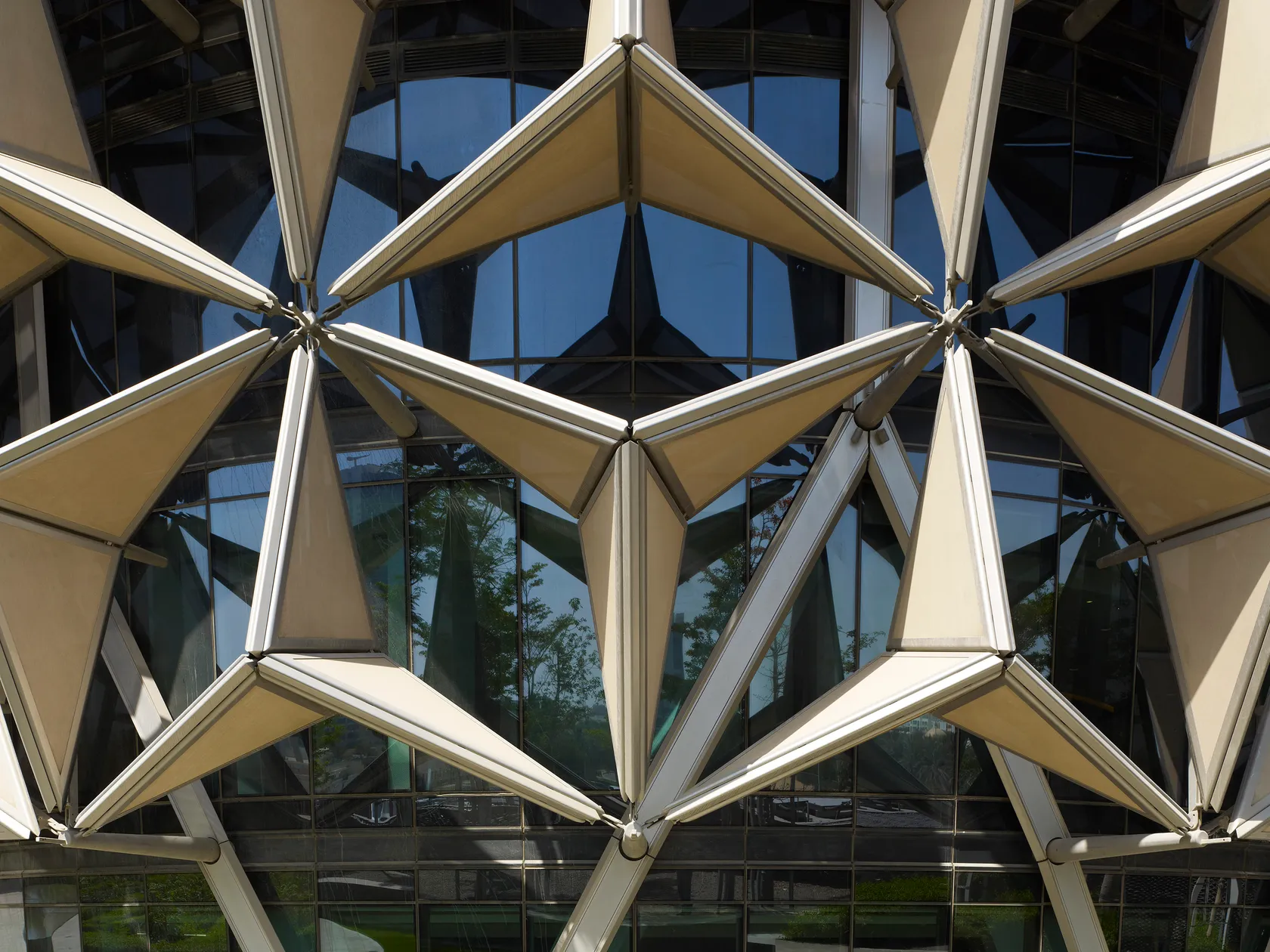
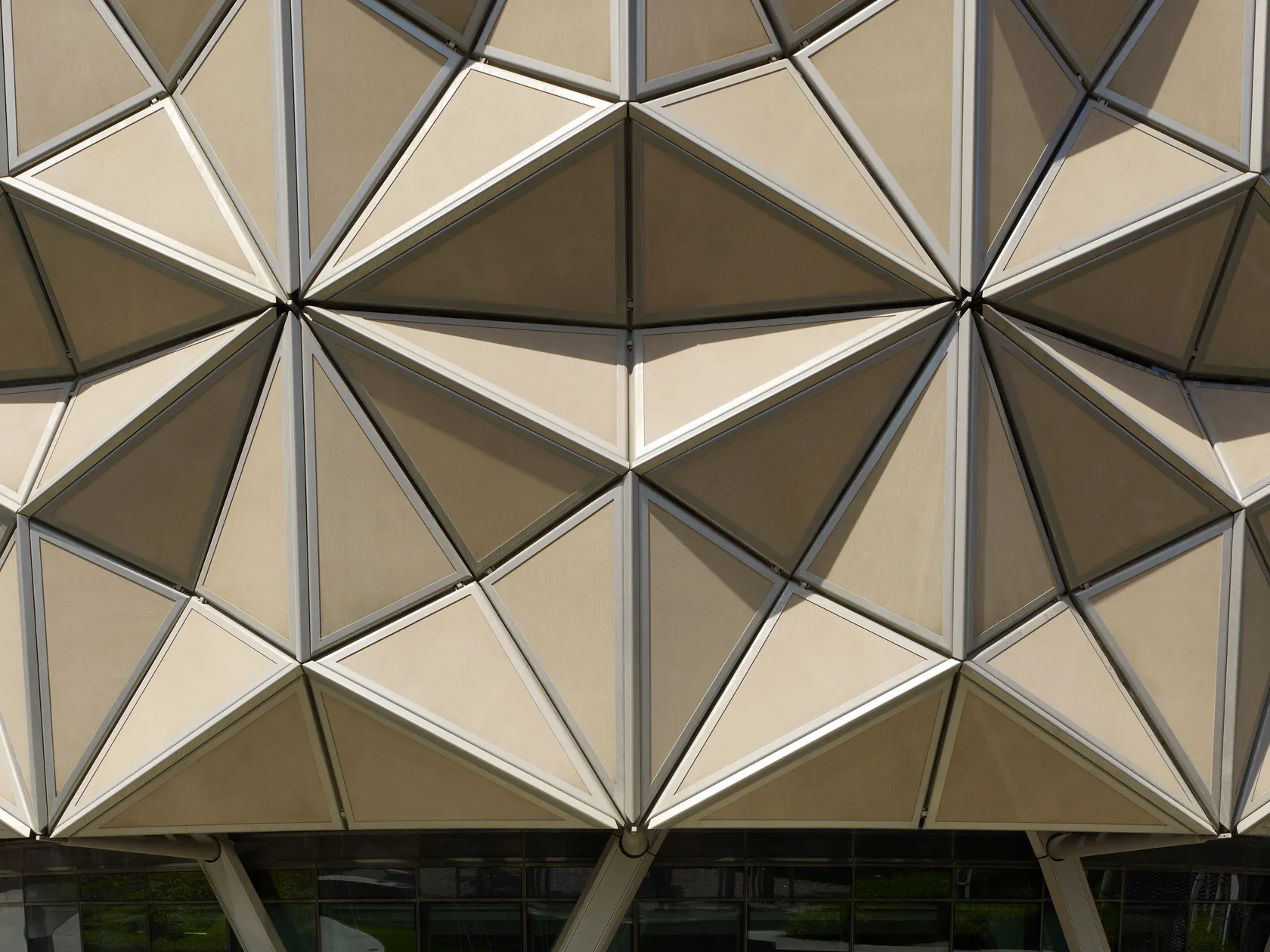


Parametric design tools, primarily Rhino and Grasshopper, allow architects to define rule-based systems where form changes in response to inputs like sun angle, temperature, or humidity. Rather than designing a single fixed form, parametric design creates conditions for transformation. Additional tools like Ladybug and Honeybee enable environmental analysis through simulating solar radiation, wind patterns, and thermal performance.
However, this research also identifies an important gap: while Grasshopper excels at form-making, it does not fully account for the long-term behaviour of materials, especially bio-based and transformative materials that change unpredictably over time. Design is not only about geometry, it is equally about what a building is made of and how it ages. This gap between digital systems and material reality is an area that demands further development.
The Materials:
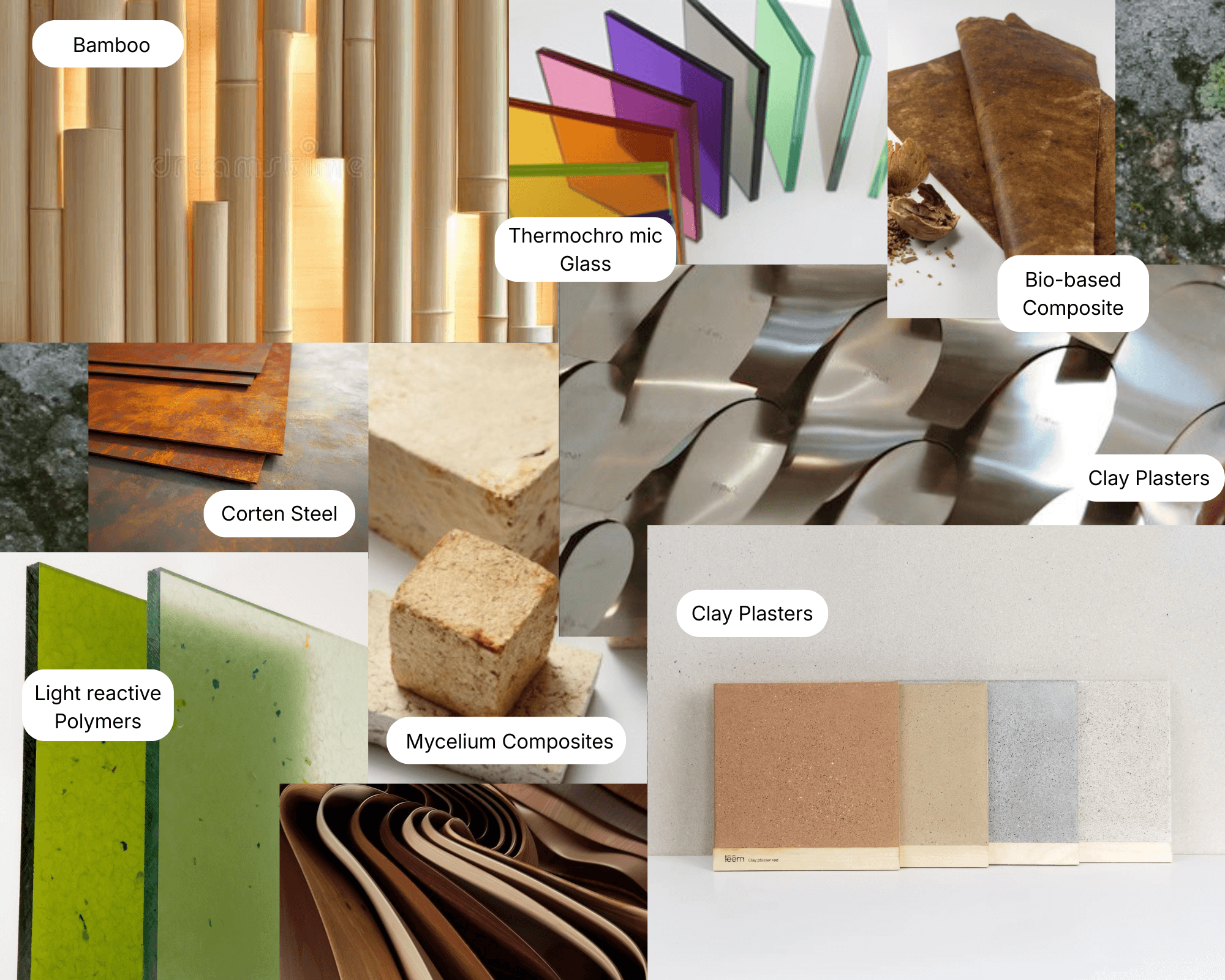
A core part of this research was cataloguing the materials that make living architecture possible, not as passive surfaces but as active agents of change:
Hygroscopic wood expands and contracts with humidity. Thermo-bimetals curl and bend with heat. Weathering steel transforms from silver to deep orange-brown over decades. Thermochromic glass darkens with temperature to reduce solar gain. Living moss and lichen facades change colour, texture, and thickness across seasons. Mycelium composites are not fabricated but grown, cultivated into form through controlled biological processes. Clay plasters absorb and release moisture, developing cracks and patina that record time.
Together, these materials shift architecture from static to adaptive, introducing time, climate, and growth as design parameters rather than things to be controlled or resisted.


