
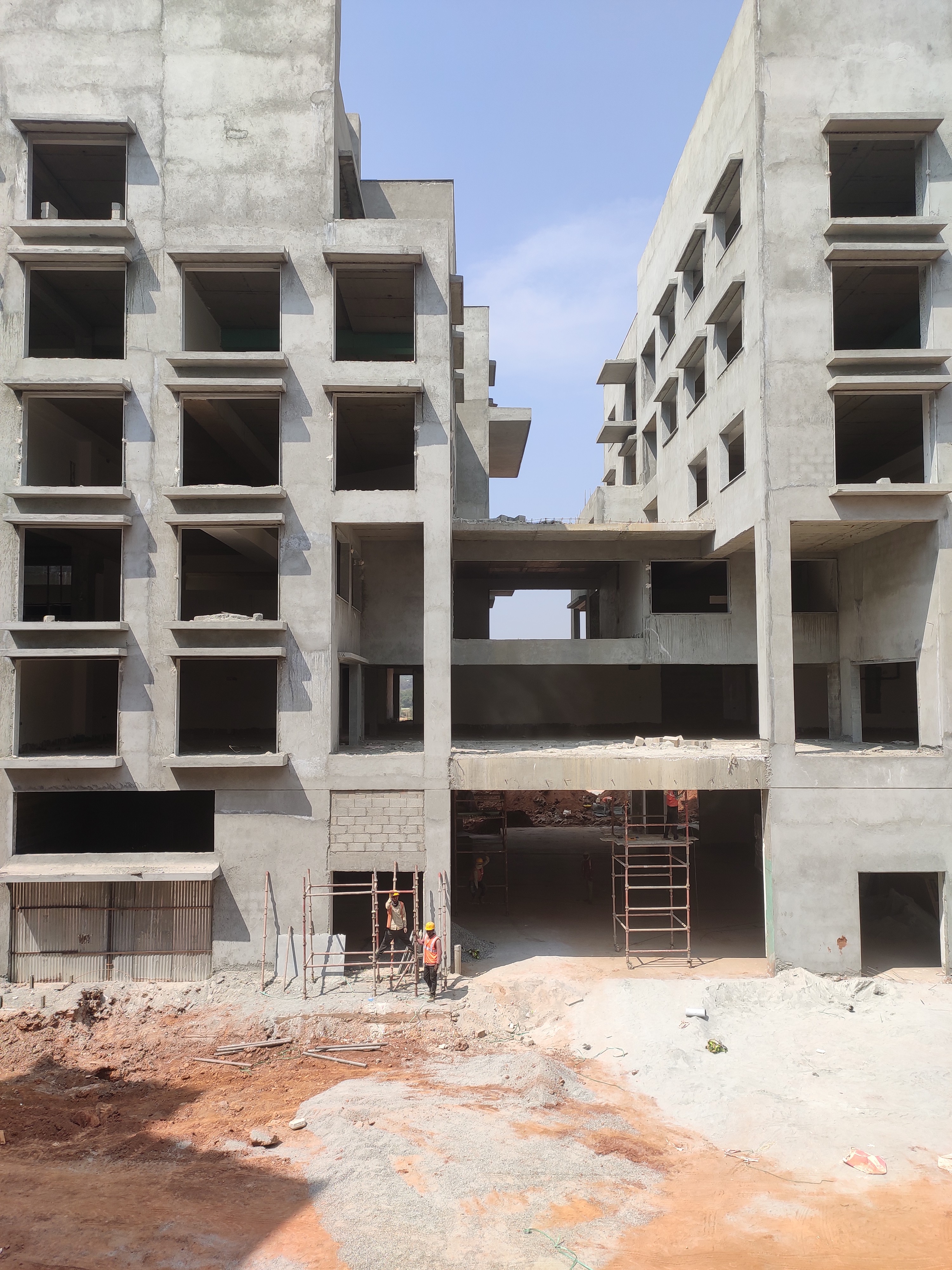
As Srishti Manipal Institute built its new campus, thousands of students were arriving in a new city, far from home, far from their comfort zones. The campus would play a vital role in shaping who they become. The question wasn't just how do we help people find their way, it was how do we make this place feel like it belongs to them?
Can we find our way without wayfinding?
Rather than conventional signage and directional arrows, this project proposes a sensory navigation system, one that guides people through sight, sound, smell, touch, and even taste. A campus that becomes your best friend. A place that gives you security and confidence at the same time.
What I explored:
Multi-sensory wayfinding, navigating through five senses rather than signage
Colour and Urdu language as spatial identity
Sensory design theory, how spaces affect emotion, memory, and behaviour
Accessibility as a design default throughout · Campus identity rooted in local neighbourhood culture · User journey mapping and student persona research




The Design System: Seven colour zones, each named with an Urdu word, correspond to the seven departments of the institute:
Ras (Juice) : Fibres and Textures
Rang (Colour) : Computational Modelling and Hybrids
Raah (Route) : Narratives and Moving Images
Rooh (Soul) : Art Expression and Wellness
Risaq (Employment) : Strategic Communication, Print & Publishing
Raqs (Dance) : Communities, Space and Planning
Rrit (Season) : Products and Fabrication
Each building has its own colour, its own texture on the wall, its own identity. The colour runs as a painted line across the floor, seven lines merging and splitting, guiding you through the campus without a single sign telling you where to go.


